


Bulk food moves through more hands than most people realise. A load leaves a plant, passes a driver, a depot and a customer’s goods in bay, and any opening along the way is a chance for contamination, theft or substitution. For food and beverage businesses moving product by food tanker or IBC, security seals are the simplest control that shows whether that chain was broken.
However, a seal is only as good as the process behind it. This guide explains what to seal, where to fit seals, and the records that make them audit ready.
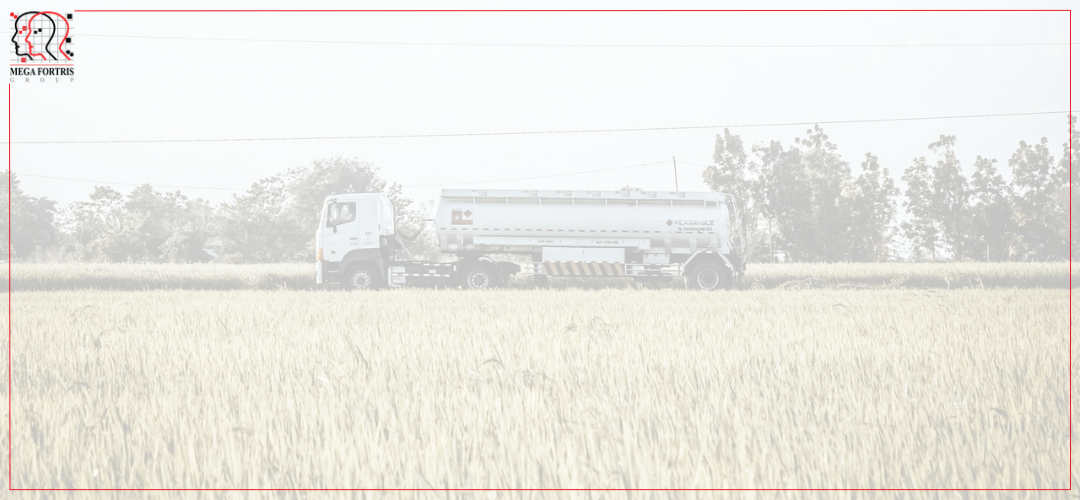
What should you seal on a food tanker or IBC?
Seal every opening through which product could be added, removed or swapped. Record each seal number against the load, the driver and the time it was applied, then check and log the number at every handover.
Why sealing matters more now
Cargo crime is a persistent UK problem. TAPA EMEA recorded 5865 cargo crime incidents in the UK in two years to 30 September 2025, and the UK consistently ranks in the top five EMEA countries for recorded thefts. A report cited in the same coverage put the cost of freight related crime to the UK economy at £700 million in 2023.
Food and drink is a recurring target. Earlier TAPA reporting recorded food and drink as the product category with the highest number of incidents in one EMEA quarter. Meanwhile, audit standards expect controls. Industry guidance points to SQF clause 11.6.5.3, which requires vehicles to be secured against tampering with seals or other agreed devices, and to BRCGS dispatch and food defence requirements (clauses 4.16 and 4.2).
What to seal
A food tanker has several access points, and a single unsealed one undermines the rest.
Core sealing points
- Manway lids: the main entry for contamination or product removal.
- Outlet and discharge valves: seal the valve or cap so it cannot be operated unnoticed.
- Bottom loading and discharge points: cap and seal when not in use.
- Vent, sample and inspection points: often forgotten, yet still openings.
- Compartment access: every compartment on multi-compartment tankers.
In practice, cable seals suit valves and hatches with an awkward fitting, while plastic security seals at different points so one failure does not hide tampering.
An IBC is smaller, but it is handled more often, which raises risk.
Typical IBC sealing points
- Outlet valve: seal across the valve handle or cap to the frame.
- Top fill cap or lid: seal once filled.
- Tamper evident label or tape: add across lids and closures for visible proof of opening.
As a result, a sealed IBC can be checked by a warehouse operative in seconds, without opening it.
Where to fit the seal
Placement decides whether a seal is genuinely tamper evident.
- Route the seal through fixed points so the closure cannot open without breaking it.
- Fit it tight with no slack to slide or lift.
- Keep the number visible and readable for inspection.
- Use unique, sequential numbering that cannot easily be copied.
- Apply after loading, not before, so no gap exists.
Choosing the right security seals
Beyond type, consider custom numbering, company branding and food-grade suitability for your environment.
Sealing a food tanker or IBC is straightforward, but doing it consistently is what protects your product and satisfies auditors. Identify every opening, fit the right seal in the right place, and keep records that follow the load from loading bay to customer. If you would like help matching security seals to your tanker or IBC fleet, get in touch.
Not universally by law, but major food safety standards expect vehicles and containers to be secured against tampering. SQF and BRCGS both address this, and customers often require it contractually.
A plastic security seal across the outlet valve, plus tamper evident tape or labels on lids, suits most IBCs.
Do not accept or release the load. Record the exception, inform QA, photograph the seal and closure, and follow your food defence investigation procedure.
No. They are singe use, numbered seals are essential for tamper evidence.