


Food and drink is one of the most targtted cargo categories there is. BSI’s latest supply chain risk findings put good and beverages at 14% of cargo theft incidents, the most frequently targeted commodity. Yet many sites still use a single seal type for every vehicle leaving the gate.
The approach is understandable. However, it can mean paying for protection you don’t need on some routes and leaving gaps on others.

What are security seals, and how are they classified?
Security seals are single-use devices fitted to doors, hatches and valves to show whether a load has been opened. Some also physically resist forced entry.
The international benchmark is ISO 17712, which classifies mechanical freight seals as I (indicative), S (security) or H (high security), based on tested resistance and tamper evidence.
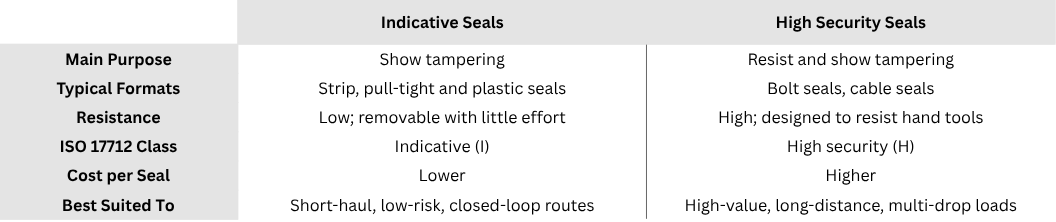
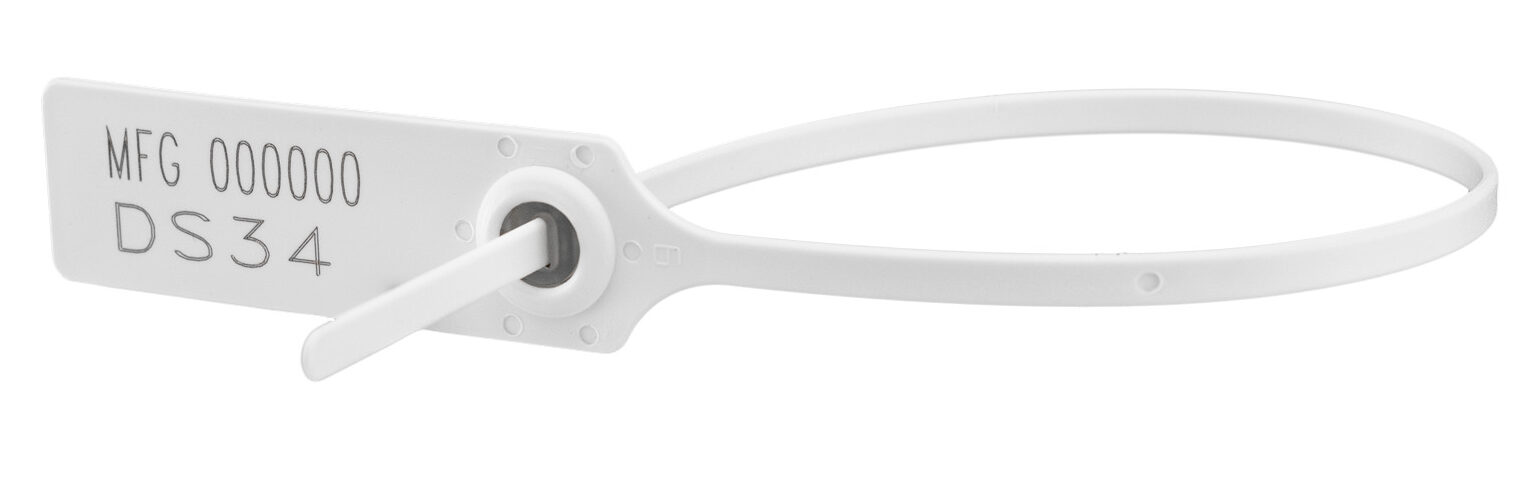
Indicative seals are designed to show tampering, not prevent it. They are usually plastic or light metal strip seals, and they are quick to apply and cost-effective in volume.
If someone breaks one, the damage is visible, which creates an audit trail and deters casual interference.
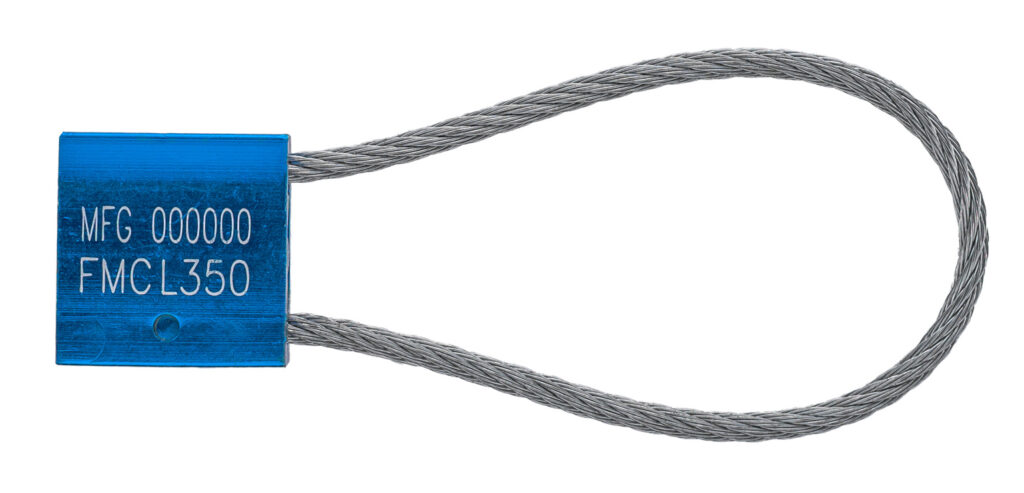
High security seals, typically bolt seals and cable seals, are built to resist deliberate attack. Under ISO 17712, they must withstand common hand tools for a defined period, and they should show clear evidence if defeated.
They take more effort to fit and remove, and cost most per unit, but they slow thieves down significantly.
Why F&B loads need a considered approach
Food and beverage loads carry a double risk: theft and tampering.
On theft, Munich Re Specialty’s Cargo Theft Tactics and Trends Report 2025, produced with BSI using 2024 data, found that warehouses were the most targeted location. Thieves also commonly slash curtains or break into trailers. In the UK, TAPA’s incident data has repeatedly shown cutting tarpaulins and forcing rear door locks among the leading methods.
On tampering, the concern is product integrity. BSI’s updated PAS 90 guidance reflects how seriously the sector now takes food defence. A broken seal is often the first sign that a load shouldn’t be accepted.
Consequently, the question isn’t “which seal is best?” It is “which seal fits this load, the route and the risk?”
How to choose the right security for F&B loads
Match the seal to the risk
Start with the value and attractiveness of the load. Alcohol, energy drinks, protein products and branded confectionery are popular with thieves because they are easy to resell.
- Lower risk: short, closed-loop deliveries between known sites. Indicative seals usually give sufficient tamper evidence.
- Higher risk: long-distance, multi-drop, overnight parking or export. High security seals are the safer choice.
Match the seal to the vehicle and load
Different equipment calls for different seals.
- Box vans and rigid trailers: hasp and staple doors suit bolt seals or strong strip seals.
- Curtain siders: seals along won’t stop a slashed curtain, so pair them with load locks or tamper evident tape.
- Tankers and IBCs: valves and hatches need smaller, tamper evident seals at each access point.
Don’t forget the process
Even the best seal fails without discipline. Good practice includes:
- Use uniquely numbered seals
- Record the number on the delivery note at dispatch
- Store unused seals securely
- Check and log the seal number on receipt
- Report any mismatch immediately
A layered approach works best: high security seals on high risk routes, indicative seals elsewhere, and consistent checks throughout.
Practical examples
- Regional soft drinks distributor: daily short haul runs to a handful of retail distribution centres. Numbered indicative seals plus receipt checks provide proportionate tamper evidence.
- Spirits producer with multi-drop routes: the load value and number of stops justify high security bolt seals on trailer doors.
- Dairy ingredient supplier using tankers: tamper evident seals on every hatch and outlet protect product integrity between sites.
Indicative seals show whether a load has been opened. High security seals do that and are also designed to resist forced removal with common hand tools, in line with ISO 17712 high security classification
Often, yes, for short, low risk, closed loop deliveries where the aim is tamper evidence and traceability. For high value, long distance or multi drop loads, high security seals are generally more appropriate.
ISO 17712 is the international standard for mechanical freight container seals. It classifies as indicative (I), security (S), or high security (H).
The right security seals for F&B loads depend on value, route and vehicle, not habit. Indicative seals give cost-effective tamper evidence on low risk runs. High security seals add genuine resistance where stakes are higher.
If you’re unsure where your fleet sits, we can help you map your routes and loads to the right seal. No obligation, just practical advice.