Every year, Q4 puts distributors under pressure. Volumes surge, temporary staff arrive and delivery windows tighten. Criminals know this too.
Cargo crime is a serious cost for UK business. It is estimated at roughly £700 million a year, yet it is still logged as routine theft from a motor vehicle. For food and drink distributors, the festive run is the riskiest stretch of the year.
Why Christmas stock is a target
Seasonal demand makes food and drink easy to resell. Insurer Zurich has noted that its fourth quarter claims are consistently the worst of the year, and that the bulk of thefts happen on the final leg, between port and local warehouse or retailer.
Police forces report the same pattern. NaVCIS has warned that cargo thefts peak at this time of year, with food among the products organised gangs target for quick resale.
Parking is part of the problem. TT Club claims data show 36% of European cargo theft incidents occurred at unofficial parking locations, and a further 21% at official ones. Method matters too. A TAPA analysis found that cutting tarpaulins and forcing rear door locks accounted for over half of incidents in the period reviewed.
In short, thieves look for loads that are east to get into and hard to prove were touched. That is where visible, numbered tamper evidence earns its place.
The Distributor's Checklist
- Audit your seal stock. Count it, store it securely and restrict access to authorised staff.
- Brief temporary staff. Seasonal workers need to know how to apply, record and check seals.
- Check vehicles. Inspect doors, curtains, locks and tarpaulins for damage before loading.
- Plan routes and stops. Avoid unsecured overnight parking wherever possible.
- Seal every load. Use a numbered tamper evident seal on trailer or container doors.
- Secure at pallet and carton level. For high value lines, add tamper evident tape, labels or bags so interference is visible inside the load.
- Record everything. Log seal numbers against the delivery note, vehicle registration and driver.
- Photograph the sealed load. Time stamped images are strong evidence in any dispute.
- Park smart. Choose secure or well lit sites, with rear doors against a wall or another vehicle.
- Keep drivers informed. Brief them on what to do if a seal looks damaged or missing.
- Never break a seal without authorisation. Any breach should be reported and documented immediately.
- Check before opening. The receiver should verify seal number and condition against the paperwork.
- Report discrepancies at once. Note them on the proof of delivery and notify your team immediately.
- Keep broken seals. Retain them as evidence for investigations and insurance claims.
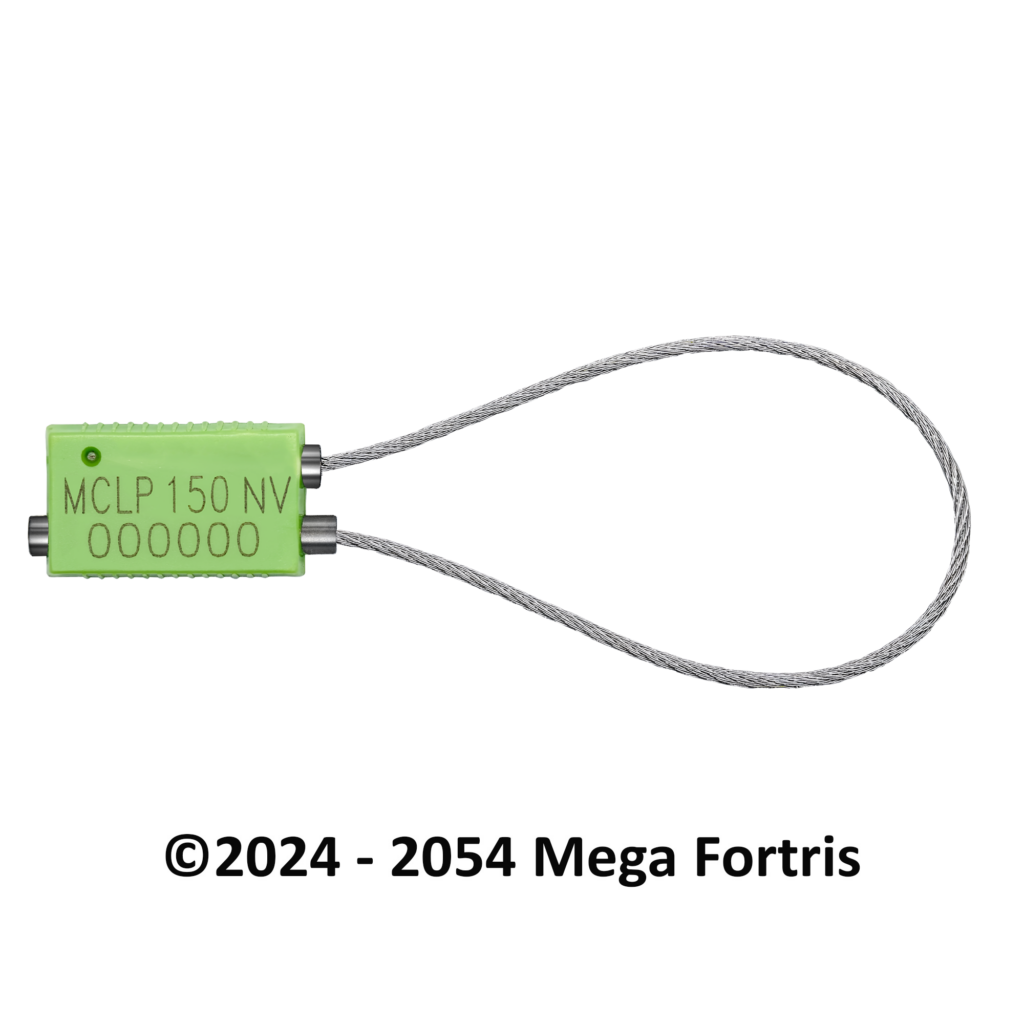
1. The Mini Cable Lock Premium 150 New Version is moulded with high-impact PP material
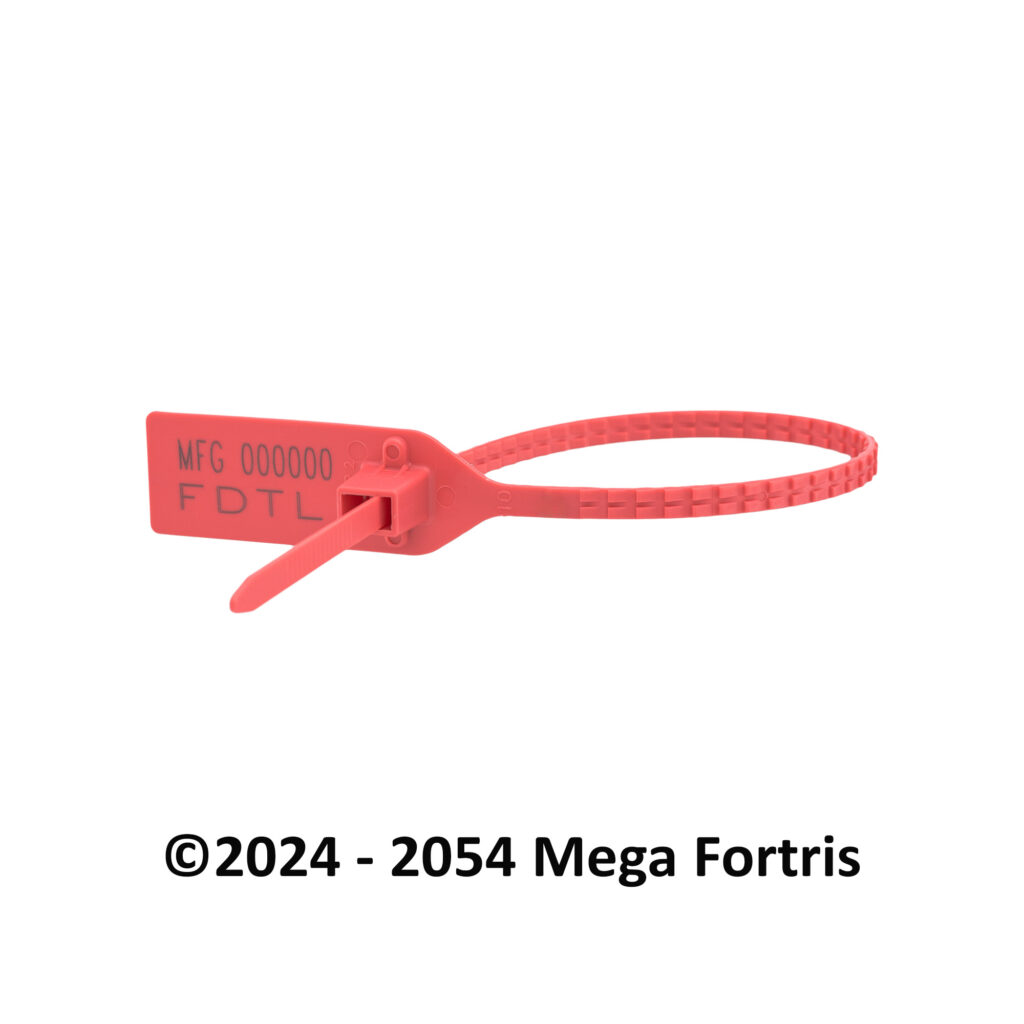
1. The Fort Double Twin Lock features a double locking mechanism in its fully Polypropylene
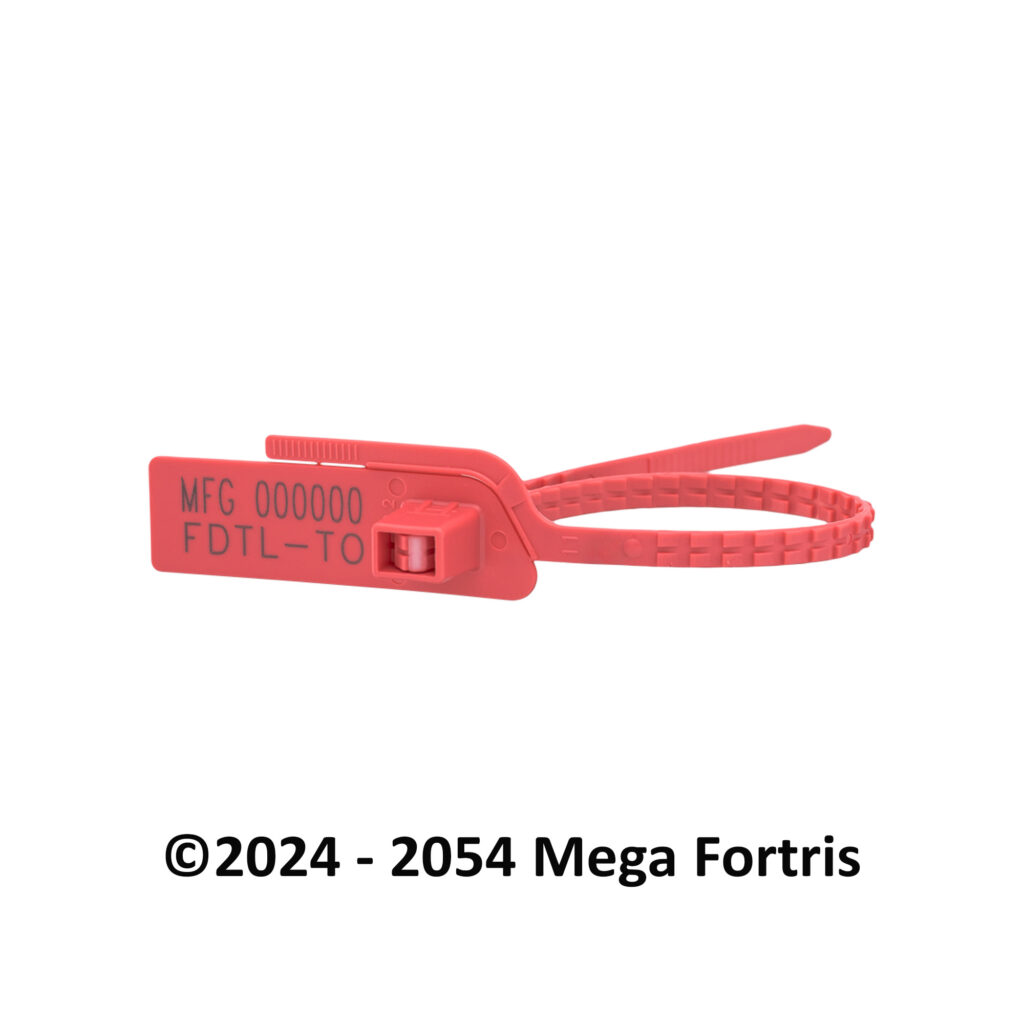
1. The Mini Fort Single Lock (NTO & TO ) features a double locking mechanism
Choosing the Right Seals, Tapes, Labels and Bags
No single product covers every risk. The best approach is layered protection:
- Security seals protect trailer doors, cages and containers. Choose indicative seals for routine deliveries and high security seals where loads are high value or travel longer distances.
- Tamper evident tape protects cartons and pallets, showing a clear message if opened.
- Tamper evident labels protect individual packs and closures, leaving visible evidence if removed.
- Tamper evident bags suit small, high value consignments and paperwork.
- Load secure products such as strapping and pallet protection keep stock stable and discourage opportunists.
A tamper evident seal is a single use device that shows clear visible evidence if a load has been opened or interfered with. Each seal carries a unique number so it can be logged and verified.
It depends on value and route. Indicative seals suit routine deliveries, while high security seals suit high value or longer distance loads.
Record the discrepancy on the proof of delivery, photograph the load, keep the broken seal and notify your security or insurance contacts at once.
Order before peak volumes begin, ideally October or early November, to allow for lead times and staff training.
Protecting Christmas stock in transit comes down to preparation, consistency and evidence. Seal every load, protect high value lines at carton level, record what you do and verify on delivery.
Start early and the festive peak becomes far more manageable. If you’d like help choosing the right combination of tamper evident solutions, we’re happy to advice.