


A busy dispatch lane leaves little room for awkward seals or unclear checks. Yet when a roll cage reaches a store with missing stock, loss prevention teams need a reliable record of what left the distribution centre and what arrived.
High volume security seals should support both speed and accountability. The right tamper evident security seals fit the closure, remain readable throughout handling and give receiving teams a clear verification step.
The wider delivery risk is significant. The British Retail Consortium’s 2026 crime report records delivery theft losses exceeding £100 million.
Key takeaways
- Check the whole cage: a sealed door cannot protect accessible sides.
- Match seal dimensions, identification and removal method to the operation.
- Record seal numbers against the correct cage and delivery.
- Assess application speed alongside verification quality and exception handling.
What should high volume security seals do?
High volume security seals are tamper evident seals selected for large scale use, with practical application, clear identification and consistent checking procedures. ‘High volume’ described the operating requirement, rather than a security certification.
Their purpose is to provide visible evidence that a closure may have been opened or interfered with during transit or storage. By making unauthorised access more apparent, seals support accountability, help focus investigations and give staff a practical way to check whether a package’s security may have been compromised. They work alongside, rather than replace, a suitable physical enclosure and other controls.
For retail loss prevention teams, the useful question is: can staff identify and record an unexpected change between dispatch and receipt?
An intact seal with a matching identifier supports the handover record and provides confidence that the closure has not been disturbed. However, it does not prove that the original contents were correct or that nothing happened before the seal was applied.
How to choose seals for roll cages and trolleys
Start with the complete enclosure
Inspect each cage or trolley design before choosing a seal. Identify its closure points, gaps, removable contents and any route through which stock could be accessed.
If the products can pass through the mesh, sealing the door alone leaves exposure. Assess a compatible security cover or enclosed cage, then verify that is closure arrangement controls access as intended.
For example, a cage carrying small cosmetics needs a different enclosure assessment from one carrying large cartons. The seal must support that assessment.
Match the seal to the working environment
Compare candidates against practical requirements:
- Fit: can the strap or hasp pass through every approved closure?
- Handling: can staff apply it reliably while wearing normal work gloves?
- Identification: is the number readable under warehouse and store lighting?
- Conditions: does the supplier specify suitability for expected temperatures and exposure?
Pull tight and padlock style seals offer different fitting arrangements. Our seals for roll cages and trolley applications include personalisations such as: name, logo, barcode, QR code and sequential numbers.
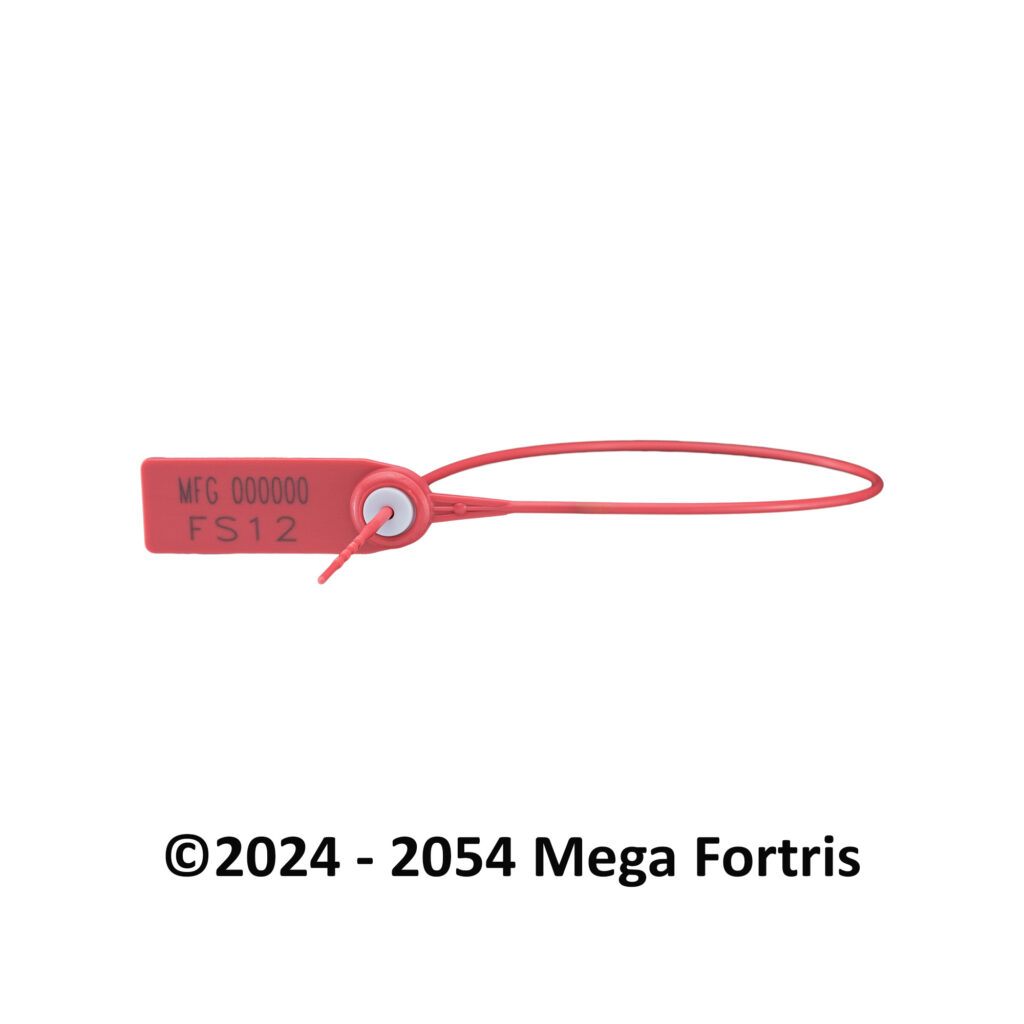
Pull Tight Seal
Best for: closures needing an adjustable loop.
Check before ordering: strap dimensions, locking instructions and removal method.
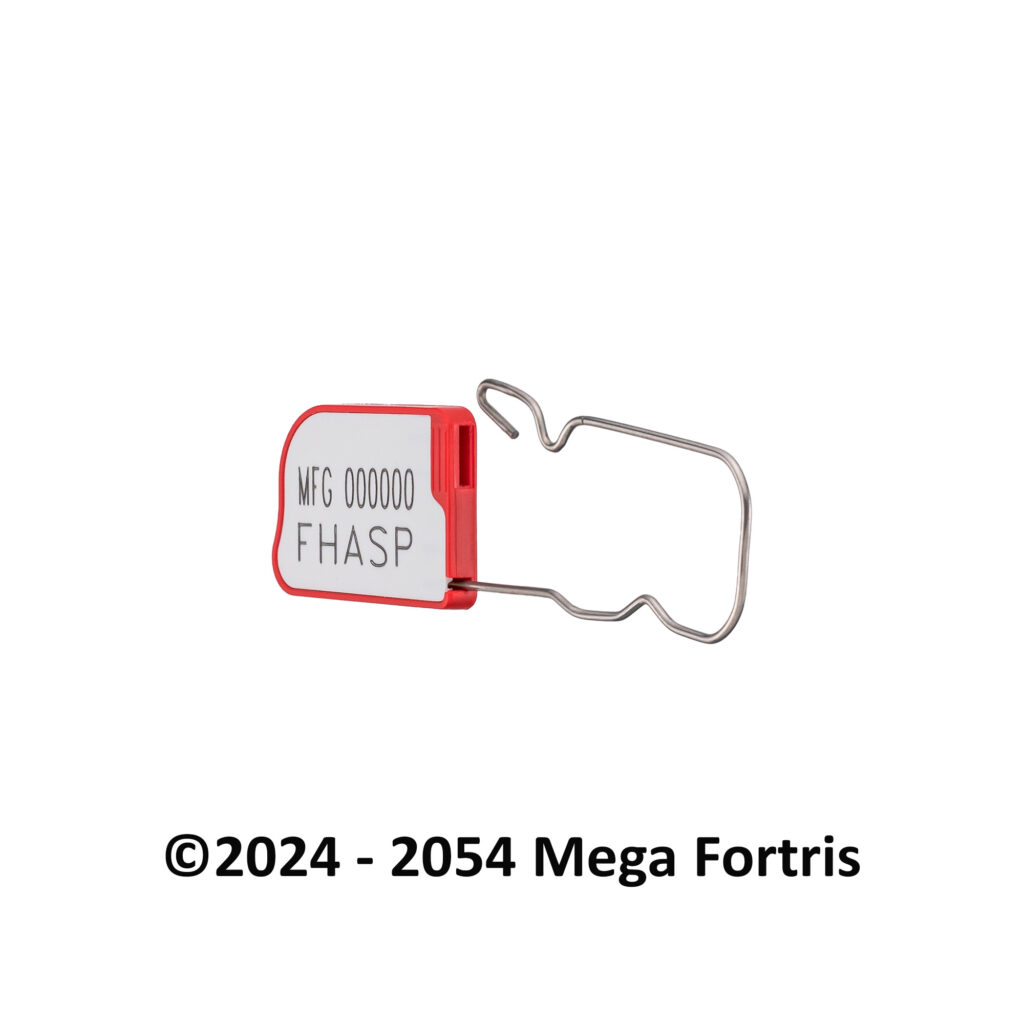
Padlock Seal
Best for: compatible fixed closure points.
Check before ordering: Hasp size, clearance and resistance to accidental damage.
Build seal checks into every handover
A consistent process makes the seal useful. Assign responsibility at both ends of the journey.
Close the enclosure, apply the approved seal and verify engagement according to the manufacturer’s instructions. Record the identifier against the cage, consignment or delivery record.
Keep unused seals under controlled access. Record replacements and the reason for them, so an authorised reseal remains traceable.
Before opening, inspect the enclosure and seal. Compare the identifier with the dispatch record, then record the result.
Where scanning is available, test it on equipment staff actually use. A successful scan captures an identifier; staff must still inspect the seal and closure.
Set a clear escalation route for missing, damaged or mismatched seals. Staff should document the condition, preserve relevant evidence and follow the retailer’s receiving procedure before releasing affected stock.
For instance, an unexplained replacement seal should trigger a check again authorised resealing records. It should not be dismissed simply because the cage is closed.
Make the next delivery easier to verify
Effective roll cage and trolley security combines a suitable enclosure, a correctly selected seal and a documented handover. Begin with one representative route. Test candidate seals, review exception records and refine the process before expanding it.
The best choice depends on the enclosure, closure dimensions and handling conditions. Compare suitable pull tight and padlock options through an operational trial.
They can provide evidence of interference with a sealed closure. Accessible mesh, gaps or removable components still require separate controls.
ISO 17712 addresses mechanical freight container seals. It is not a universal requirement for retail roll cages. Check the specific contractual or shipment requirements before specifying certification.