


A Practical Guide for Load Securing Teams
Cargo damage rarely comes from one dramatic event. More often, it’s the product of a small void, a partially inflated bag, or a bag that was never fitted at all. The European Commission has estimated that up to 25% of truck accidents can be attributed to inadequate cargo securing – and even where a poorly secured load doesn’t cause a road safety incident, it’s still shifting, abrading and crushing the product inside it. For load securing specialists, that means damage prevention and road safety compliance both start at the same place: how the load was physically stabilised before it left the dock.
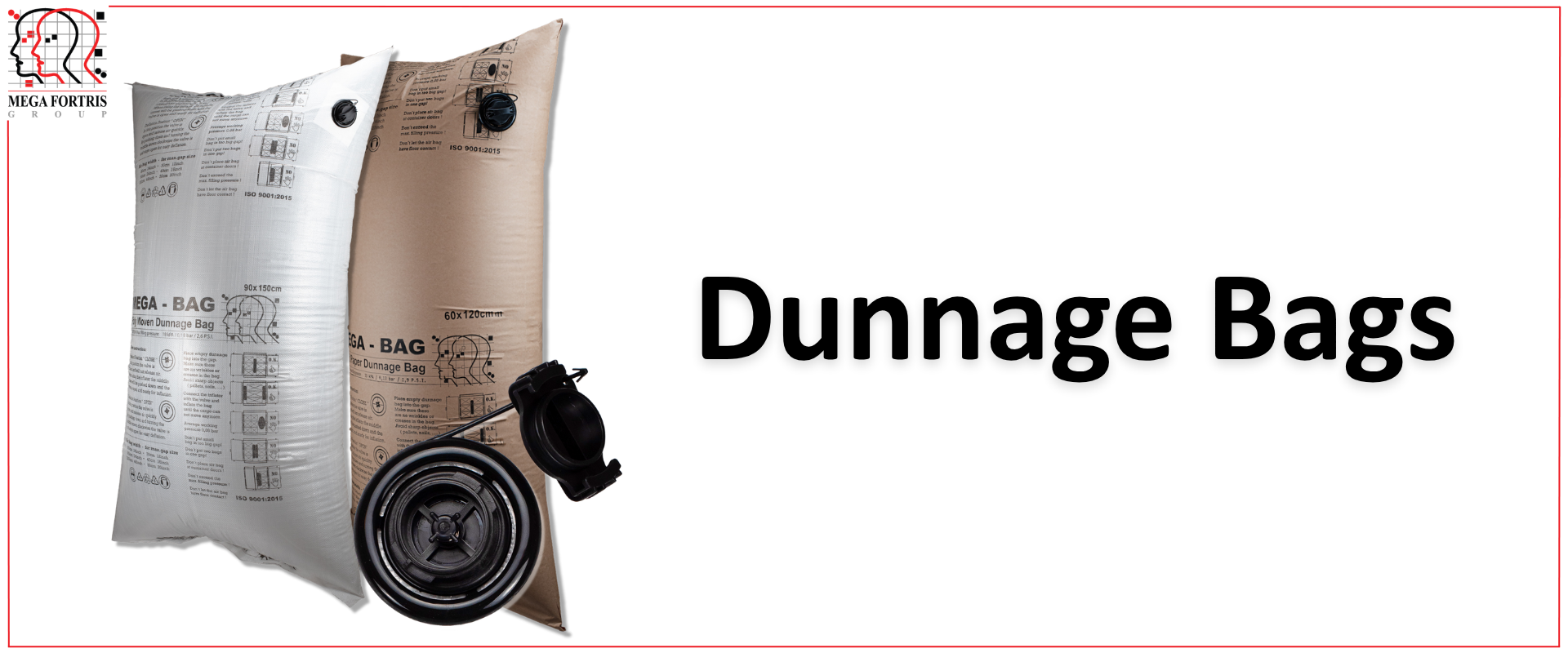
Dunnage bags are one of the simplest, most cost effective tools for closing that gap. When used correctly, they fill voids, absorb shock and stop the lateral or longitudinal movement that causes crushing, scuffing and shifted load claims. When used incorrectly (wrong size, wrong pressure, no load face protection) they can do very little at all. This guide walks through why cargo shifts in transit, how dunnage bags actually work, and how to select and apply them so they earn their place in your load securing process.
Why Cargo Gets Damaged in Transit (Even When It's Secured)
Strapping and shrink-wrapping a pallet secures the unit, not the void around it. Once loaded into a trailer, container or railcar, gaps inevitably form between pallets, between the load and the wall, or between rows of mixed-sized cargo. Every mile of travel turns those gaps into energy that transfers straight into the product.
Industry claims data consistently points to the same root causes. TT Club, the London-headquartered insurer for the international transport and logistics industry, has found that poor or incorrect packing contributes to around 65% of cargo damage incidents.
For UK and European operators, load securing isn’t only a damage prevention issue, it’s a compliance one. The DVSA’s securing loads on HGVs and goods vehicles code of practice and the European Commission’s cargo securing guidelines both set out the legal expectation that loads must not be able to move under normal transport conditions, whether the cargo type. Voids left unfilled sit at the intersection of the both risks: they’re a damage driver and a securing failure at the same time.
How Dunnage Bags Prevent Damage - The Mechanics
A dunnage bag is an inflatable cushion placed into the voids between pallets, crates or the load and the container wall. Once inflated, it exerts even, controlled pressure outward in all directions, creating friction against the load faces on either side. That friction is what stops movement.
This matters because damage isn’t usually created by cargo being crushed against a wall in one violent impact. It’s cumulative: thousands of small shifts and vibrations over a journey, each one abrading packaging, loosening pallet wrap, or nudging product out of alignment. A correctly inflated bag removes the space that allows that movement to start.
Compared with rigid void fillers or extra strapping, dunnage bags have three practical advantages for load securing teams:
- Even pressure distribution across the load face, reducing point-loading and crush damage
- Shock absorption, cushioning impacts rather than transmitting them directly
- Speed of application – most bags inflate in under 30 seconds using standard compressed air or battery inflators, making them practical for high-throughput dock operations
Five Common Application Mistakes That Cause Damage Anyway
Even the right bag fails if it’s misapplied. The most frequent issues load securing teams should watch for:
Under inflation – the bag doesn’t reach full contact pressure, leaving residual play in the void.
No load-face protection – the sharp edges, banding or irregular surfaces puncture the bag or create uneven pressure points.
Wrong void placement – bags positioned at the top or bottom of a void rather than centred against the load’s centre of mass.
Reusing singe-use bags beyond their intended cycle – manufacturer guidance often restricts reuse for certain applications; reused bags may have compromised seams.
Skipping the pressure check – inflating by feel rather than checking against the rated PSI for that bag level.
Damage reduction rarely comes down to a single dramatic fix – it comes down to closing the small gaps, literally and procedurally, that allow cargo to move. Dunnage bags, correctly sized, rated and applied, are the one of the most direct ways load securing teams can address the root cause of a significant share of freight claims.
If recurring damage or claims are showing up in a specific lane, commodity or void type, it’s usually worth reviewing bag specification and application practice before assuming the product itself is at fault.